How we use AI in the studio, and where we don't
Every agency says it uses AI. Here is what that actually means for us: which jobs it does, which it only assists with, and the lines we keep.
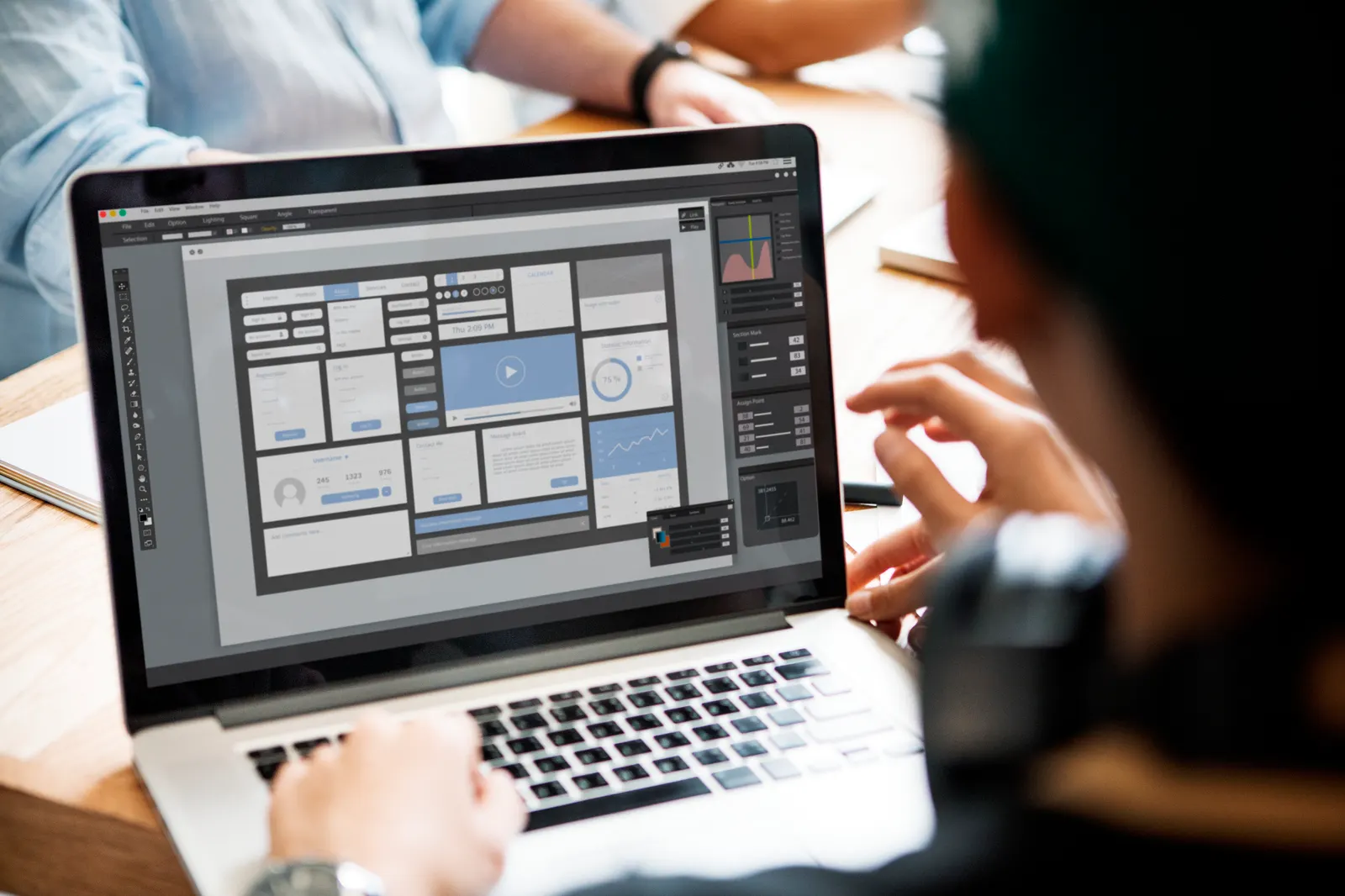
Clients ask, and they deserve a straight answer rather than a slogan. So here is the inventory: the jobs where models do real work for us every day, the jobs where they only assist, and the jobs we keep them out of on purpose. It will date quickly. That is fine; we will update it.
Where it does real work
First-pass code and the tests around it. A model writes the boilerplate, the obvious integration, the third variation of a component we have built twice before, and a person reviews every line before it ships. Converting messy inputs into clean data: supplier price lists that arrive as spreadsheets, PDFs and the occasional photograph of a printout, turned into something a system can import. Documentation, which used to be the task that never got done. And research. We work across property, retail, logistics, hospitality and more, and a model is a fast way to learn a new industry's vocabulary before we ask the client the questions that matter.
Where it assists but does not decide
Design directions. A model can produce twenty variations in an afternoon, which is useful, but choosing between them is the job, and the choice stays with a designer who knows the brand and the audience. Copy: drafts arrive quickly and are then rewritten in the client's voice, because model prose has a texture people have learned to recognise. Estimates, where it is a second opinion, never the quote.
Where we keep it out
Client data does not go into public tools without a written agreement about where it is processed and stored. Nothing customer-facing answers unsupervised: a chat assistant on a client's site is scoped to what it may say, logged, and given a way to hand over to a person, or it does not go live. A model is never the only reviewer of security-sensitive code. And it never has the final say on anything a client will pay for or a customer will rely on. Those decisions have a name attached, and the name is one of ours.
What it changed for clients
Fewer hours on production, more on discovery. We pass that on as smaller quotes and faster first versions, not as more features crammed into the same budget. A prototype that used to take three weeks now takes days, which means we can put a working thing in front of real users before anyone has fallen in love with a plan.
The rule that does not move
Every line we ship is read by a person who can explain it to the client in plain language. Every automated decision is logged in words a non-engineer can follow. The tools are welcome to do the typing. The accountability stays where it always was.