Designing dashboards people actually read
Most dashboards are built to be impressive on the day they launch. The useful ones are built for the Tuesday morning six months later.
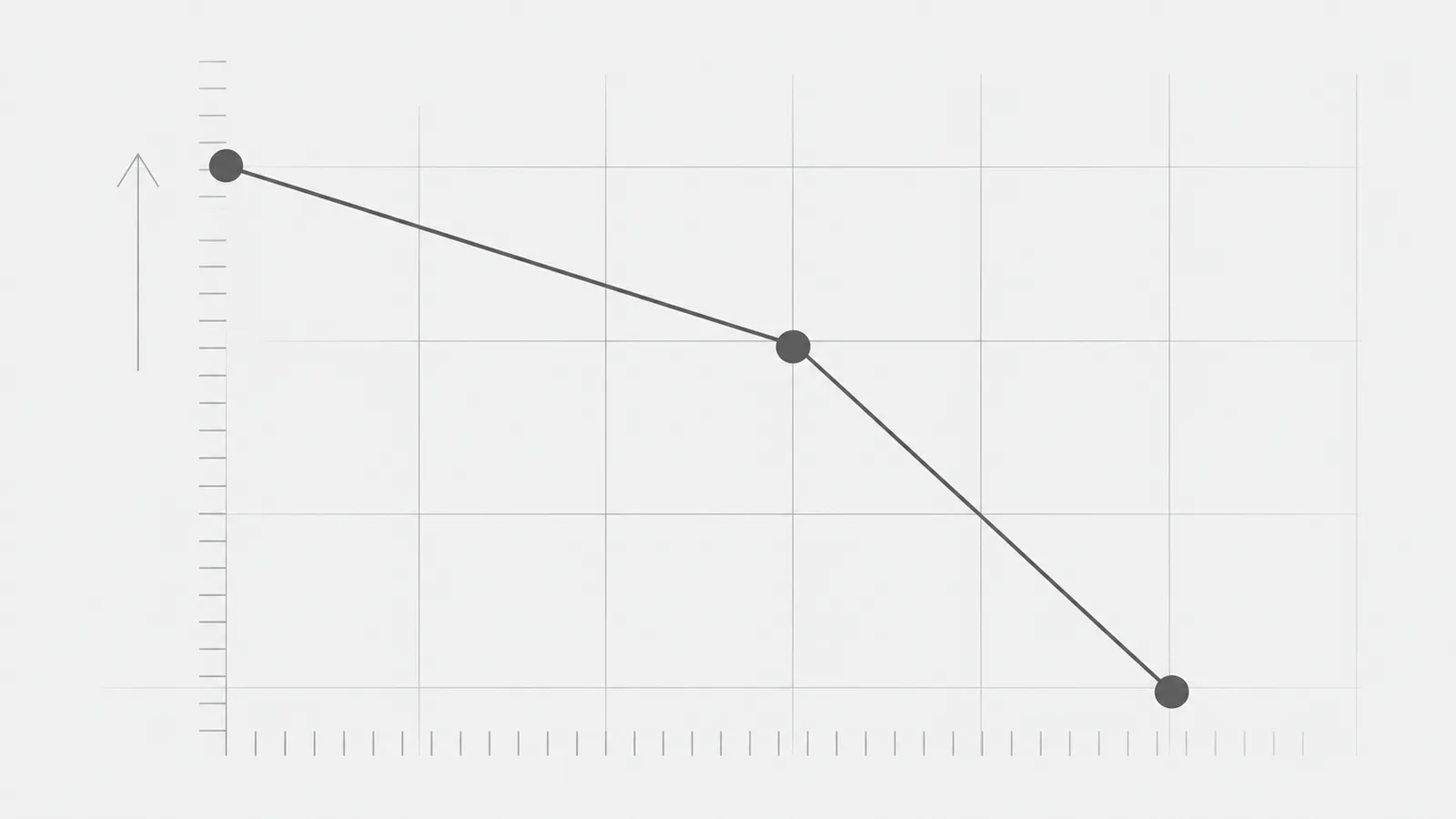
A dashboard has one job: to make the next decision obvious. Every chart that does not change a decision is decoration, and decoration is what people learn to ignore. Most dashboards fail not because the data is wrong but because nobody asked what the reader would do differently after looking.
Start from the decision, not the data
The usual process runs backwards. Someone lists every number the system can produce and finds a chart for each. The better process starts with a list of decisions – reorder stock, chase a late invoice, call the customer who has gone quiet – and asks what one number would trigger each one. Build that. Then stop. A dashboard with six numbers that each lead somewhere beats one with sixty that lead nowhere.
The unglamorous rules
One number per question, not three variations of it. Comparison over time rather than a single figure, because a number without a trend is a fact without a meaning. Plain labels in the language the business uses, never the names of database columns. Thresholds that someone actually agreed to, so the colour red means "act now" and not "the designer liked red". And a date on everything, because a dashboard that does not say when it was last updated will eventually be trusted when it should not be.
Alerts beat charts
The honest truth about most dashboards is that nobody opens them. People open their inbox. So the numbers that matter most should not wait to be looked at; they should arrive. A short message when stock drops below the reorder point does more than the most beautiful chart of stock levels, because it turns up at the moment the decision is needed. Build the dashboard for the deep dive, and build the alert for the Tuesday morning.
The Tuesday morning test
Here is the test we use before calling a dashboard finished. Pick a number on it. Could the person who owns that number explain it to a colleague – what it measures, why it moved, what they will do about it – without opening anything else? If not, the dashboard is not finished, however good it looks in the launch deck. Six months later, on an ordinary Tuesday with the coffee going cold, that is the only thing that will matter.